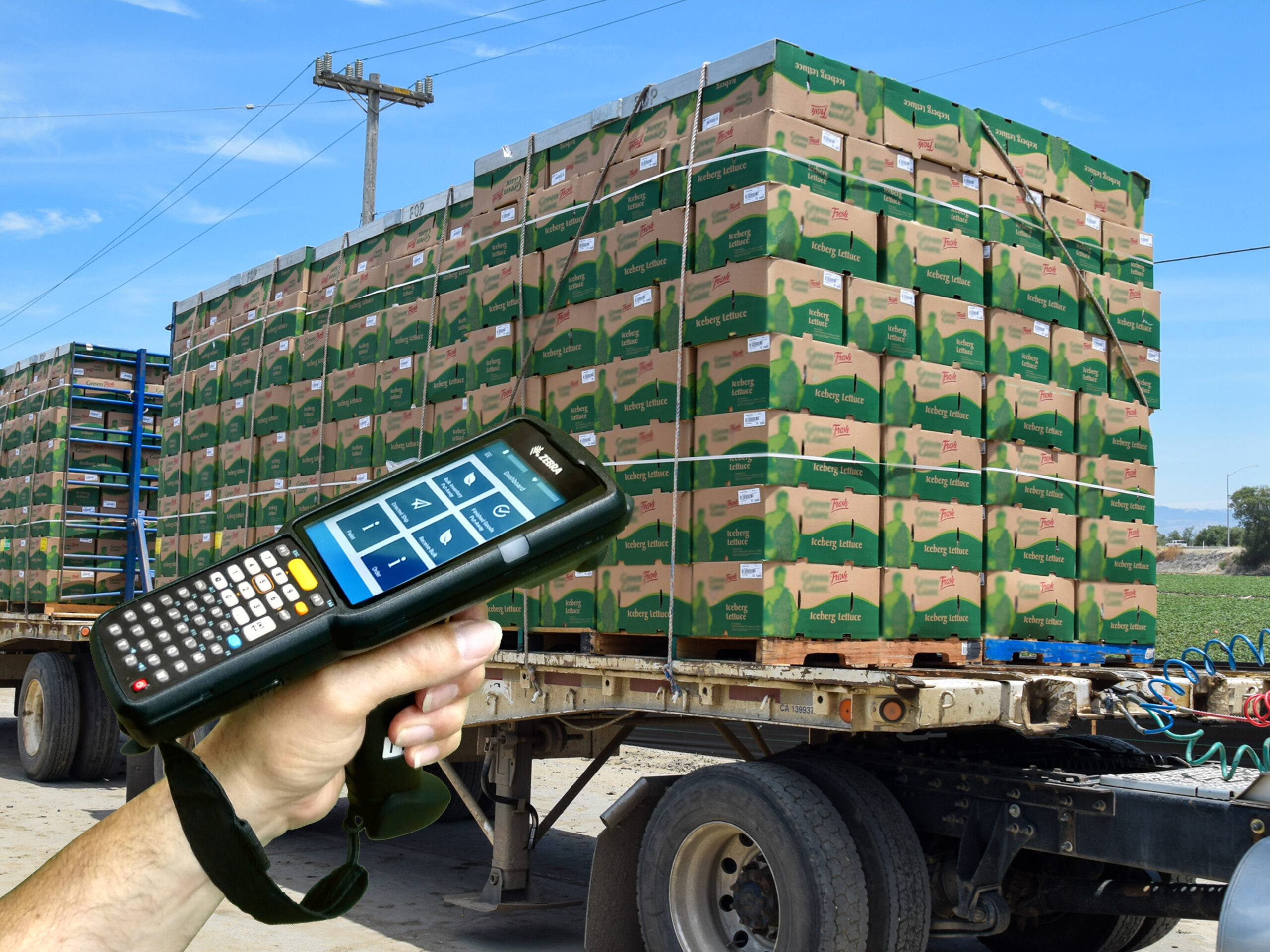
The Food Traceability List (FTL) is a critical component of the FDA’s Food Safety Modernization Act (FSMA) 204, aimed at enhancing food safety and traceability across the supply chain. Based on historical and statistical data, the FTL includes a range of foods deemed “high risk” for foodborne illnesses. The FDA’s mission in creating this list is to enable quick identification and removal of contaminated products from the market, protect consumers, and maintain public trust in food safety.
What is the Food Traceability List?
The FTL is part of the FDA’s “New Era of Smarter Food Safety” blueprint that outlines a plan to improve food safety by focusing on four core elements: Tech-enabled Traceability, Smarter Tools and Approaches for Prevention and Outbreak Response, New Business Models, and Retail Modernization, and Food Safety Culture; aiming to enhance traceability, leverage predictive analytics, rapidly respond to outbreaks, address new food distribution models, and foster stronger food safety practices across the industry. These additional traceability requirements have a compliance deadline of January 20, 2026.
What’s on the List?
Cheeses (excluding hard cheeses), Eggs, Nuts, (and Nut Butter), Fresh Fruits and Vegetables (Leafy Greens, Cucumbers, Tomatoes, Melons, Peppers, Sprouts, Herbs, Regular Cut Fruits, Cut Tropical Tree Fruits, and Other Vegetables), Finfish (fresh, frozen, smoked), Crustaceans (fresh, frozen), Molluscan Shellfish (bivalves, fresh, frozen), Deli Salads or Sandwiches (not prepared at the location of sale) and Products containing any of the above foods as ingredients
The list was developed using a risk-ranking model for food tracing based on factors that Congress identified in Section 204(d)(2) of FSMA. The Model scores commodity-hazard pairs (e.g., Shiga toxin-producing E. coli O157 (STEC O157) in Leafy Greens) according to data and information relevant to seven criteria described in the report Methodological Approach to developing a Risk-Ranking Model for Food Tracing FSMA Section 204, including:
Record-Keeping Requirements
To meet the FDA’s FSMA 204 requirements, companies involved in producing, handling, and distributing foods listed on the FTL must keep detailed records of six key Critical Tracking Events (CTEs): harvesting, cooling, initial packing, transformations, shipping, and receiving. For each CTE, specific Key Data Elements (KDEs), such as product description, location, and date, must be recorded. This structured approach ensures that the FDA can trace the product back through the supply chain within 24 hours if a food safety incident occurs.
Exemptions to the FTL
While FSMA 204’s Food Traceability Final Rule has a broad reach, certain exemptions apply. For instance, small farms, personal consumption items, dried or frozen foods, and rarely consumed raw commodities (e.g., potatoes) are exempt. Food service establishments and farms with minimal sales may also qualify for exemptions under specific conditions.
Looking Forward
The FDA plans to update the FTL every five years to keep pace with new food safety data. Compliance with FSMA 204’s FTL requirements represents a proactive step towards a safer food supply chain, with record-keeping and prompt response capabilities at its core. For more details on FTL updates, visit the FDA’s official guidelines: Food Traceability List | FDA
Looking for more info? Check out our FSMA 204 resource guide pages or schedule a free demo of the MyProduce traceability software today!
For 27 years, RedLine Solutions has been the trusted partner in inventory and traceability for fresh produce stakeholders across North America. Serving a myriad of commodities, we tailor solutions to your workflow. Our offerings, from hardware to software, coupled with deep expertise, ensure your produce operations management is in the best hands.
